What are the symptoms of poor indoor air quality?
Common signs are headaches or fatigue that ease when you leave the house, dry or irritated eyes and throat, worsened allergies or asthma, musty odors, excess dust settling quickly after cleaning, and condensation or humidity problems. If several of these track with time spent indoors, it is worth looking at filtration, ventilation, and your ductwork.
What are the 4 major indoor air pollutants?
Indoor pollutants fall into four groups: particulate matter like dust, pollen, and wildfire smoke (PM2.5); volatile organic compounds (VOCs) from paints, cleaners, and new furnishings; combustion gases like carbon monoxide and NO2 from gas appliances; and biological contaminants like mold, dust mites, and pet dander. Radon is a separate, serious concern worth testing for.
What is the most common cause of poor indoor air quality?
In most homes it is inadequate filtration combined with leaky ducts pulling dusty attic and crawlspace air into the system, made worse during wildfire-smoke season. Poor ventilation that traps VOCs and moisture, and a dirty coil or filter, are close behind. The fixes are usually straightforward once the source is identified.
Can bad indoor air quality make you sick?
It can. Poor indoor air is linked to headaches, fatigue, irritated eyes and throat, and worsened allergies and asthma, and long-term exposure to pollutants like radon or fine particulate carries more serious risk. If symptoms ease when you leave the house, your indoor air is worth a closer look.
How do I test my indoor air quality at home?
Home monitors can track particulates, VOCs, humidity, and carbon monoxide, and a hardware-store test kit covers radon. They are a useful starting point but limited. If symptoms track with time indoors, our assessment looks at filtration, ductwork, ventilation, and moisture together to find the real source.
How do I fix poor indoor air quality?
It is a layered fix, not one gadget: upgrade to a MERV 13 filter, seal leaky ducts, keep the coil and blower clean, add UV at the coil to control biological growth, and manage fresh-air ventilation and humidity. We assess all of these and prioritize what will help your home most.
Do air purifiers really work?
Quality filtration genuinely reduces airborne particles, and a whole-home filter built into your HVAC treats the air in every room rather than one spot like a portable unit. The key is matching the filter to what your system can handle and pairing it with sealed ducts and ventilation. Be wary of overblown claims, results depend on the setup.
Do UV air purifiers work?
UV purification installed in the HVAC system targets biological growth like mold and bacteria on the coil and in the airstream, which helps keep the system clean and reduces musty odors. It is one layer of a good IAQ setup, working alongside quality filtration for particles and ventilation for fresh air, rather than a single fix on its own.
What MERV filter should I use at home?
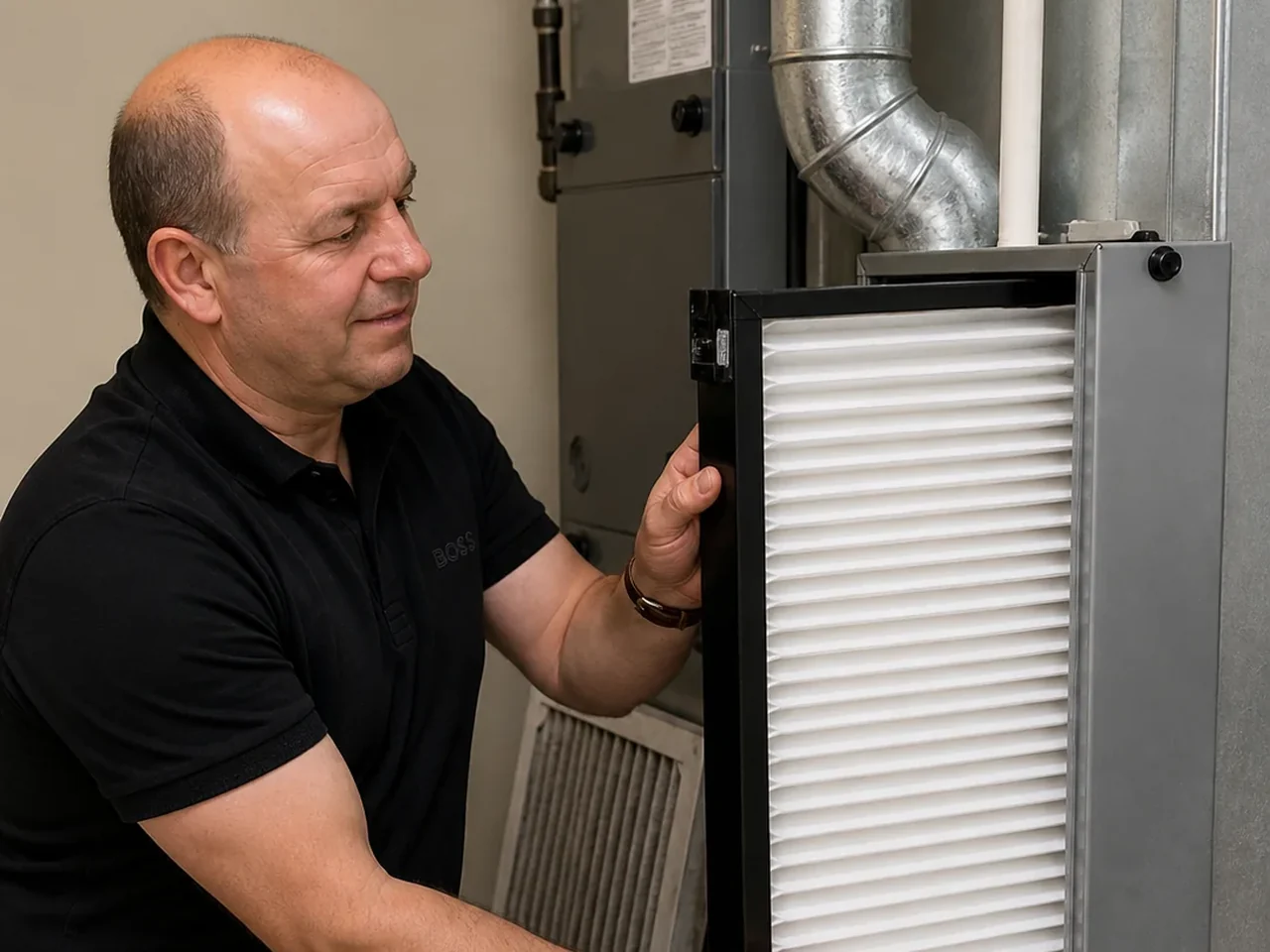
For most Sacramento homes a MERV 8 to 13 filter is the recommended range. MERV 13 captures fine particles including wildfire smoke, which makes it a strong default here. Going above MERV 13 in a standard residential system can restrict airflow and strain the blower unless the system was designed for it, so we check that your equipment can handle a higher rating before recommending one.
Does a higher MERV filter restrict airflow?
It can. A denser filter catches more but is harder to pull air through. In a typical home system, ratings above about MERV 13 can reduce airflow enough to hurt comfort and efficiency and even strain the blower. That is why the right answer is the highest MERV your specific system can handle, not simply the highest number on the shelf. We measure and advise.
Do more expensive furnace filters really make a difference?
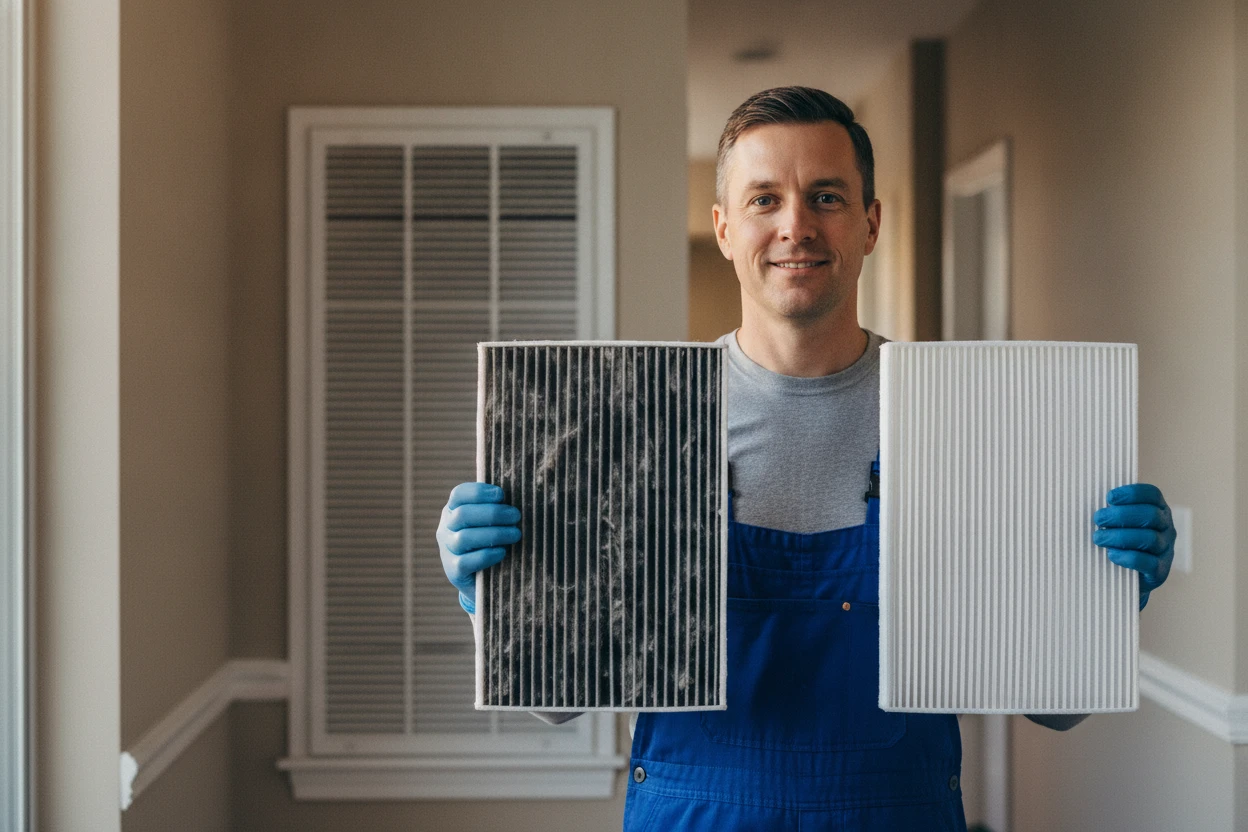
Up to a point, yes. A MERV 13 filter captures far finer particles, including wildfire smoke, than a cheap MERV 4 fiberglass filter, which mainly protects the equipment. But going higher than your system is designed for restricts airflow and can hurt performance, so the best value is the right MERV for your system, changed on schedule, not simply the priciest.
How can I reduce dust and allergens in my home?
Start with a MERV 13 filter changed on schedule, seal leaky return ducts that pull dusty attic and crawlspace air into the system, and keep the coil and blower clean. Adding ventilation to bring in filtered fresh air and controlling humidity round it out. We assess all of these together rather than selling a single gadget.
Can HVAC systems improve allergies?
Yes. A MERV 13 filter captures pollen, dust, mold spores, and pet dander, sealed ducts stop pulling allergens in from the attic, and UV purification and controlled humidity reduce mold. Together they meaningfully cut the allergens circulating through your home, one of the most effective whole-home ways to ease indoor allergies.
Can dirty air vents cause a sore throat?
They can contribute. Dust, mold spores, and other irritants circulating from dirty ducts or a clogged filter can dry and irritate the throat and airways, especially for allergy and asthma sufferers. If a sore throat or congestion clears when you are away from home, filtration and duct sealing are worth checking.
Is it worth getting your air ducts cleaned?
The EPA does not recommend routine duct cleaning and there is no proven routine health benefit. Cleaning is worthwhile when there is visible mold inside the ducts, a vermin or insect infestation, or heavy debris clogging the system. More often, sealing leaky ducts and upgrading filtration does more for your air and your energy bill than a routine cleaning.
How does wildfire smoke affect my home’s air?
Wildfire smoke is mostly fine PM2.5 particles that slip through low-grade filters and leaky ducts into your living space. During Sacramento-foothill smoke season, a MERV 13 filter, well-sealed ducts, and managed fresh-air intake make a real difference in how much smoke gets indoors. We set homes up before the season so you are not scrambling when the air turns.
What is the deadliest indoor air pollutant?
Radon is widely cited as the most dangerous common indoor pollutant, as it is the leading cause of lung cancer among non-smokers, and it is colorless and odorless. Carbon monoxide from combustion appliances is the other silent danger. Both are reasons to test, keep detectors in place, and service gas furnaces and boilers annually.
What does an indoor air quality assessment cost?
Our diagnostic visit is a flat $89 and is waived when you book the recommended work. We evaluate your filtration, ductwork, ventilation, and any moisture or biological concerns, then give you a plain-language plan and a written flat-rate quote. You choose what to do and when, with no pressure.
 Review on Google · May 2026